
"coffee defects types"
2000 article(s) found

Purification of coffee beans semi-washing coffee bean treatment
Semi-washing type is a mixture of drying type and water washing type, and it is also a compromise between the two. The practice is to wash the coffee beans in water, remove all the pulp of the coffee with a machine, dry it in the sun, and end it in use. What is different from the water washing refining method is that in this process, the coffee fruit is put into the fermentation tank, and the quality is more stable than the dry one. BA

Introduction to the classification of boutique Kenyan coffee
◎ grades defective beans by the number of points, which is the earliest method of grading, and is still in use in many parts of Brazil. The method of identification is to randomly take 300 grams of samples and put them on black paper, because black paper can best avoid reflection. Then, examined carefully by the professional appraiser, find out the defective beans in the sample, and accumulate different scores according to the types of defects. For example, one black bean counts as one.
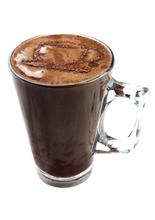
Kenyan coffee beans graded by the number of defective beans Introduction to fine coffee
This is the earliest grading method and is still in use in many parts of Brazil. The method of identification is to take a random sample of 300 grams and put it on black paper, because black paper can best avoid reflection. Then, professional appraisers carefully inspect the samples to find defective beans and accumulate different scores according to the types of defects. For example, one black bean counts as one.

Coffee grades introduction Coffee Grade introduction Fine Coffee beans
◎ grades defective beans by the number of points, which is the earliest method of grading, and is still in use in many parts of Brazil. The method of identification is to randomly take 300 grams of samples and put them on black paper, because black paper can best avoid reflection. Then, examined carefully by the professional appraiser, find out the defective beans in the sample, and accumulate different scores according to the types of defects. For example, one black bean counts as one.

What are the types of coffee treated by natural washing
Natural washing coffee 1, choose beans: put the harvested fruit in the water tank, the ripe fruit will sink, while the unripe and overripe fruit will float up and can be removed. 2, drying: put the selected ripe fruit in the square for 5-6 days until it is fully dry. At this time, the fruit becomes dark brown, with a moisture content of 13% 3, shelled: after drying
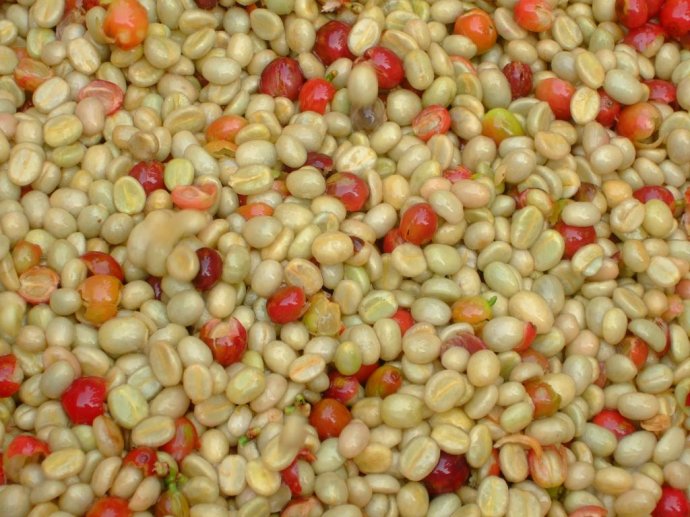
The treatment method of Coffee Fruit after picking to Raw Bean introduction of semi-washing exquisite treatment of Coffee Bean
Semi-washing type is a mixture of drying type and water washing type, and it is also a compromise between the two. The practice is to wash the coffee beans in water, remove all the pulp of the coffee with a machine, dry it in the sun, and end it in use. What is different from the water washing refining method is that in this process, the coffee fruit is put into the fermentation tank, and the quality is more stable than the dry one. BA

About Robusta Q-Grader, Robusta Robusta Grader exam
To be a Robusta Q-Grader, you must pass all the Robusta Grader exams. In general, the test method is similar to the Arabica Q-Grader test, but there are different concepts or formulas. For example, sensory skills sensory skills and organic acids match matching pairs organic acids. The first part is the knowledge of Robusta coffee theory.

Brief introduction of R Grader examination for Robusta Coffee tasters
To be a Robusta Q-Grader, you must pass all the Robusta Grader exams. In general, the test method is similar to the Arabica Q-Grader test, but there are different concepts or formulas. For example, sensory skills sensory skills and organic acids match matching pairs organic acids. The first part is the knowledge of Robusta coffee theory.
The ranking system of raw beans in coffee producing countries introduces what is the best grade of coffee beans.
Ethiopia (rated in proportion to defective beans) before the emergence of the Ethiopian Commodity Exchange (Ethiopia Commodity Exchange referred to as ECX), Ethiopia's coffee export grade was established by the CLU Department (Cupping and Liquoring Unit) under the Ministry of Agriculture, mainly according to the number of defective beans in 300g. The classification criteria are as follows.

Sitama Charkiso Taste Aroma Charkiso Coffee Types and Prices
Professional barista communication Please pay attention to coffee workshop (Weixin Official Accounts cafe_style ) Flavor description: lemon and citrus, bright and crisp acidity, lemon, citrus, white grape juice, black currant, tail Earl Grey tea Indonesian, African coffee beans adopt this grading method according to the proportion of defective beans, Indonesian beans are mainly divided into 6 grades, namely G1G6. The highest grades of washed beans are G1 and G2;
[literacy] have you made a clear distinction between the coffee bean grading criteria? (below)
There are different ways to manage the origin of coffee beans, some are composed of large and small farmers, some are dominated by professional business owners, even if the coffee in the same place, its quality and flavor are also different, in order to mark the quality of coffee, but also in order to make the transaction more convenient, so there is coffee grading. Highly classified by origin: Guatemala, brother

What are the defective beans of coffee? what is the definition of defective beans? what is defective beans to choose coffee beans?
Professional coffee knowledge exchange more coffee bean information Please pay attention to the coffee workshop (Wechat official account cafe_style) Coffee growing environment Coffee beans in the appearance difference comes from different growth environment, coffee growth belt is usually the Tropic of Cancer and Tropic of Cancer and tropical areas near the equator. Unique coffee varieties are planted in special growth areas, categories and growth rings of coffee beans

Professional coffee roasting | relationship between raw beans and roasting
Professional baristas Please follow the Coffee Workshop (official Wechat account cafe_style) although it is often said that hard beans are difficult to bake, this kind of coffee beans are easy to roast, etc., but when deciding on the roasting research approach, the most important thing is to understand the differences in the state and characteristics of raw beans. There is no doubt that every kind of coffee bean has its best way of roasting, but in

The purification of coffee beans-the source and operation points of coffee semi-washing method are introduced in detail.
Semi-washing type is a mixture of drying type and water washing type, and it is also a compromise between the two. The practice is to wash the coffee beans in water, remove all the pulp of the coffee with a machine, dry it in the sun, and end it in use. What is different from the water washing refining method is that in this process, the coffee fruit is put into the fermentation tank, and the quality is more stable than the dry one. BA

Bad types and grade planning of coffee beans
Bad kinds of coffee beans fermented by falling into the soil before harvest. The moldy smell will have a great impact on the taste of coffee. Dead beans, also known as unripe beans, or affected by climatic factors, the development is not perfect. Fried spots will be produced after baking, making the coffee have a green and astringent taste. Black beans fermented beans, coffee beans that have rotted and blackened. Because it is black, it can be used with normal coffee at a glance.
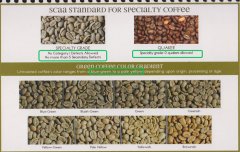
Standard of SCAA pecialty Coffee Fine Coffee Raw Bean
[SCAA "Specialty Coffee" standard for high-quality coffee raw beans] the raw bean defects of SCAA can be divided into two types: I and II. The requirement for premium coffee grade (specialty coffee) is: 1. There are no class I defects; 2. No more than 5 II class defects 3. There can be no "quaker" (0 quaker) Quick beans in cooked coffee beans. 4. The appearance of raw coffee beans
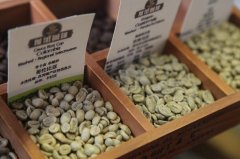
Grading system of major coffee producing countries in the world popular science coffee grade shb and coffee bean grade G1
Professional coffee knowledge exchange more coffee bean information please follow the coffee workshop (Wechat official account cafe_style) the latest coffee raw bean knowledge collation: coffee bean grading and naming rules want to drink a certain quality of selected coffee beans, starting from understanding the grading system of coffee-producing countries is a necessary lesson for each producing area, each piece of soil, different climate, different treatment methods

The introduction of a professional barista must be seen by a novice.
Following Cafe Review (Wechat official account vdailycom) found that Beautiful Cafe opened a small shop of its own, the current situation of the barista industry 1, Industry Analysis since Venice opened the first coffee shop in the world in 1645, the coffee industry has rapidly spread to Europe and the world, coffee has become a necessity in people's lives. Coffee is one of the three major drinks in the world.
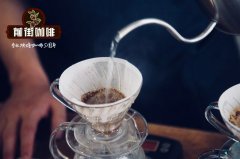
What are the characteristics of fine coffee? what is the difference between fine coffee and fine coffee?
Professional coffee knowledge exchange more coffee bean information please follow the coffee workshop (Wechat official account cafe_style) what is boutique coffee? Part two: the story of raw coffee beans recently, we discussed how to define boutique coffee. Now, we are delving into the quality assessment process of green coffee, which is one of two ways for professionals to decide whether a kind of coffee is a specialty.

Coffee beans size graded siphon coffee pot & what kind of coffee does #160; make?
◎ grades defective beans by the number of points, which is the earliest method of grading, and is still in use in many parts of Brazil. The method of identification is to randomly take 300 grams of samples and put them on black paper, because black paper can best avoid reflection. Then, examined carefully by the professional appraiser, find out the defective beans in the sample, and accumulate different scores according to the types of defects. For example, one black bean counts as one.